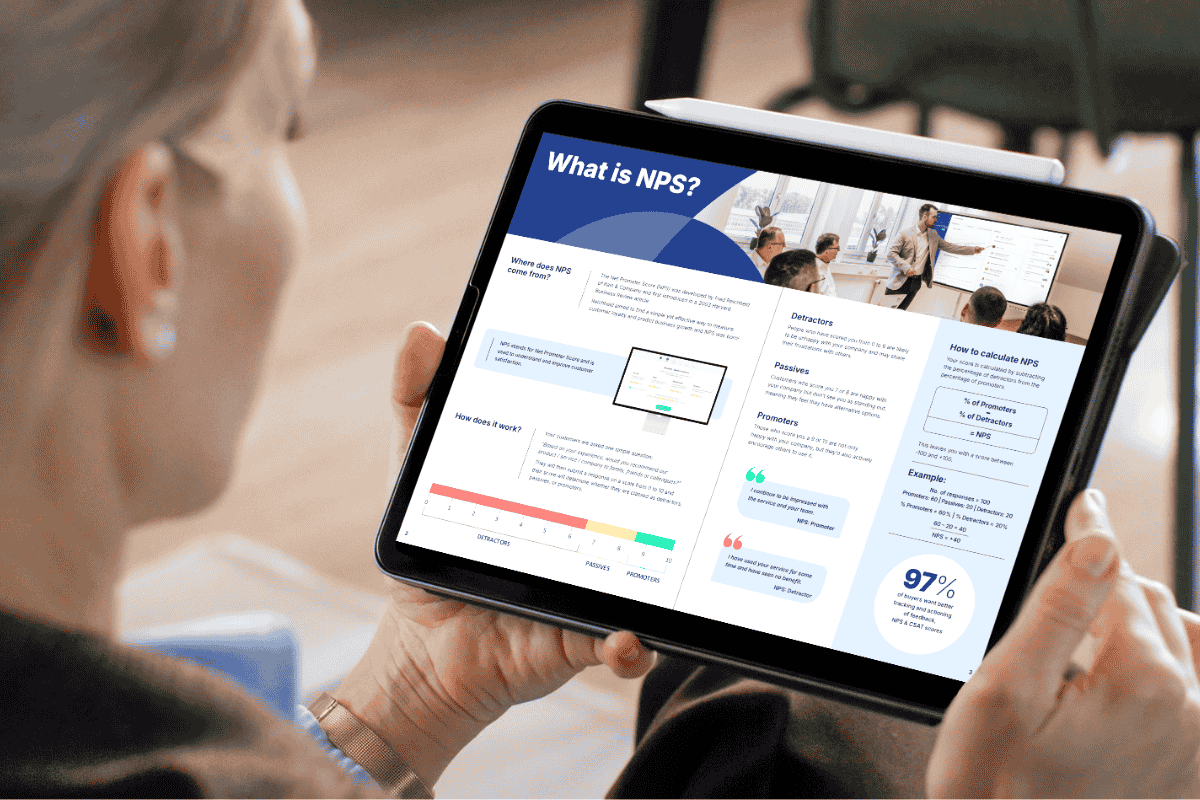
What is a good Net Promoter Score in B2B? It’s one of the most common questions suppliers ask, and for good reason. Net Promoter Score, or NPS, can reveal a huge amount about customer loyalty, account health and renewal risk. But the answer is rarely as simple as chasing a single number.
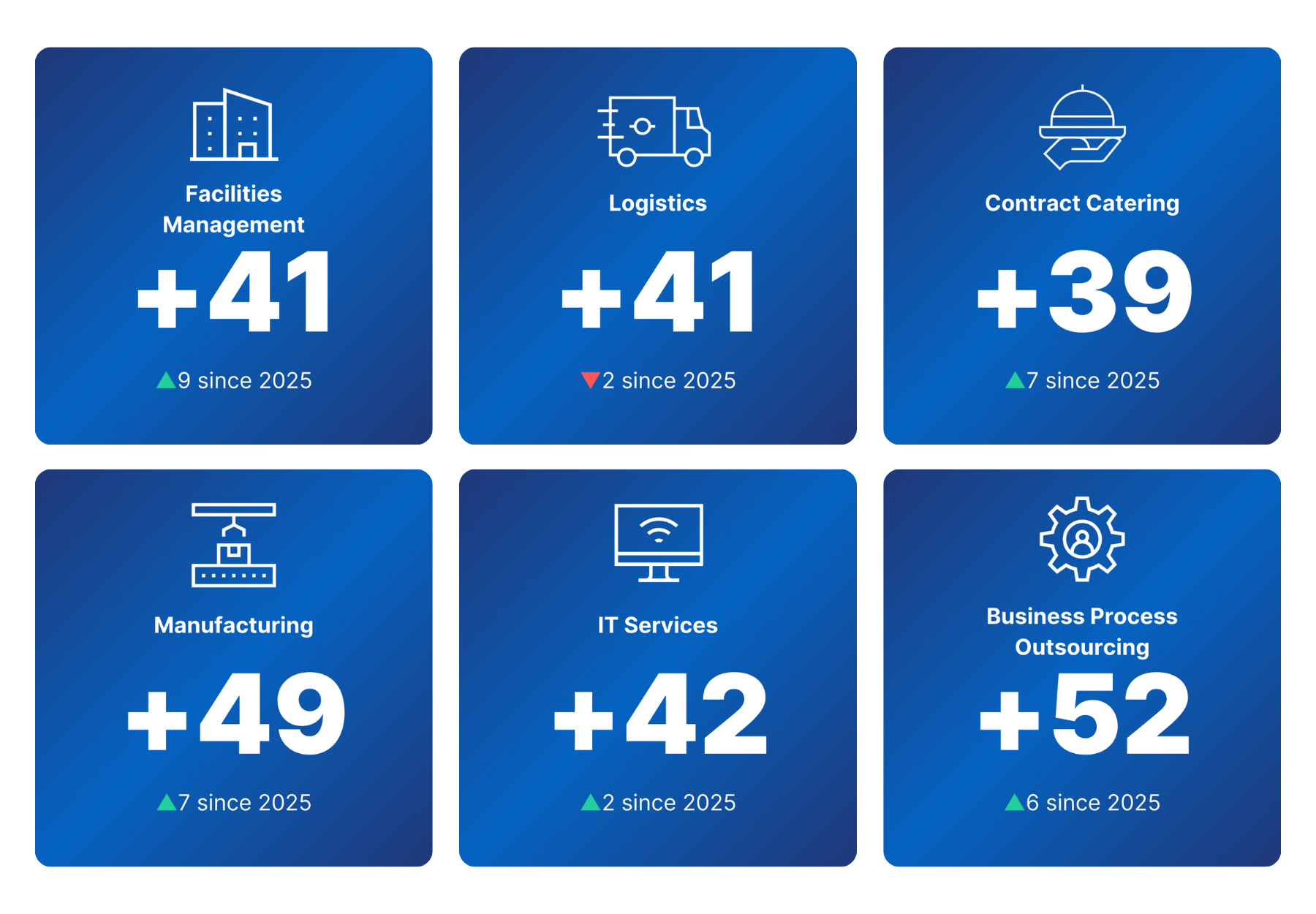
In 2026, Clientshare’s industry benchmark data shows that B2B NPS performance varies significantly by sector, from +39 to +52. That spread matters. A score that looks strong in one sector may be average, or even below par, in another.
That is why NPS benchmarks are useful when you use the right comparison and combine the score with action. The best suppliers are not just asking, ‘What’s our NPS?’ They are asking, ‘What does our NPS mean in our sector, for our accounts and for our growth plans?’
What is a 'good' NPS in B2B?
A good Net Promoter Score depends on context, especially in B2B where NPS is not just a marketing metric for brand positioning. It often reflects the views of a relatively small number of high-value stakeholders, which means every response carries more weight.
In B2B relationships, NPS should be treated as an early-warning system for account teams and senior leaders, not just as a headline score for reporting. A move from getting 9-10 to 7-8 from a key stakeholder can be just as, or more, important than an account giving consistently low scores.
So, yes, industry NPS benchmarks matter, but a good B2B NPS score is not simply one that beats the benchmark. It is one that helps you spot risk early, understand where sentiment is changing and act before small issues turn into churn. (Read more about how consistent QBRs and NPS can prevent churn.)
2026 NPS benchmarks by sector
Clientshare’s 2026 NPS benchmarks show a largely positive picture across the B2B supplier market, although not all sectors moved in the same direction. Clientshare’s CEO, James Ward, reflected:
‘Across almost every sector we track, NPS rose from 2025 to 2026. The only exceptions were categories most exposed to geo‑political disruption, notably logistics. More broadly, B2B customers felt better supported, better informed and more confident in their providers.
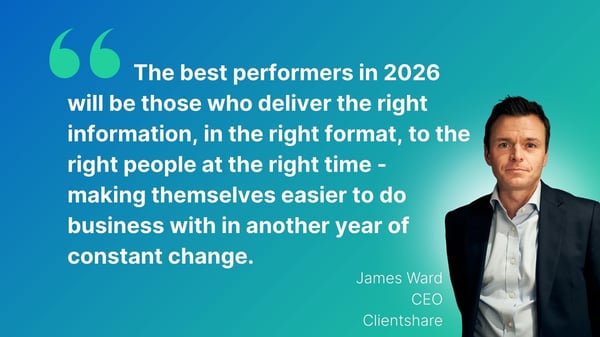
The best performers in 2026 will be those who deliver the right information, in the right format, to the right people at the right time—making themselves easier to do business within another year of constant change.’
Why NPS benchmarks only tell part of the story
Businesses shouldn’t obsess over one big score. NPS becomes much more valuable when you look beyond the average and focus on the people behind it — your promoters, passives and detractors.
That matters because NPS is often misused as a vanity metric. A benchmark can be useful, but it should never distract from the real job of understanding why customers feel the way they do and what needs to happen next.
For B2B suppliers, the most useful questions around NPS are often:
- Are detractors increasing?
- Are passives becoming harder to shift to promoters?
- Are key stakeholders less positive than they were last quarter?
- Are some accounts performing well overall, but showing signs of risk underneath?
- What opportunities are there with my promoters?
Why NPS and QBRs work better together
When NPS is collected as part of a regular Business Review process, suppliers can do far more with it. They can:
- Turn customer sentiment into specific actions
- Benchmark more consistently over time
- Spot risks and opportunities earlier
- Personalise conversations around real feedback
- Reinforce transparency and accountability with clients
That matters because NPS on its own can be static, whereas NPS in a QBR becomes dynamic. It helps account teams explain what has changed, what they have heard and what they are going to do next.
Clientshare's NPS whitepaper also highlights a simple but important truth: timing matters. Customers are more likely to give feedback when they are already engaged with you, and more likely to trust the process when they can see their feedback is being tracked and acted on.
How to improve your Net Promoter Score in 2026
If you want to improve your B2B NPS, here are a few practical principles:
Collect scores regularly - A one-off annual survey rarely gives you a fair picture of the customer relationship.
Close the loop quickly - If you identify detractors or disengaged stakeholders, act while the insight is still fresh.
Widen your view - NPS should sit alongside written feedback, CSAT and follow-up conversations, not in isolation.
Make NPS part of your wider review process – Use it as a consistent source of insight, not just a number on a dashboard.
That is the real value of NPS in 2026. It’s not just about knowing your score, it’s about knowing what the score is telling you, how your sector compares and what you are going to do about it.
Final thoughts
NPS benchmarks can be incredibly useful for B2B suppliers, but only when they are used properly.
The strongest teams use Net Promoter Score to track performance, reveal churn risk, strengthen Business Reviews and create better customer conversations.
So, what is a good NPS score? One that is measured consistently, understood in context and turned into action.
---
Download Clientshare’s essential guide to NPS for B2B companies to explore the latest 2026 NPS benchmarks, learn what good looks like in your sector and see how leading suppliers are using Net Promoter Score in QBRs to protect retention and grow revenue.